BLUE HANGAREST. 2026
2 slots · Q3 2027 Talk to engineering
Propulsion systems · flight hardware

Power for the
next altitude.

Custom engines for aircraft and spacecraft programmes — designed, hot-fired and delivered from one hangar in the high desert.

AS9100D · ITAR registered · 41 engines flown

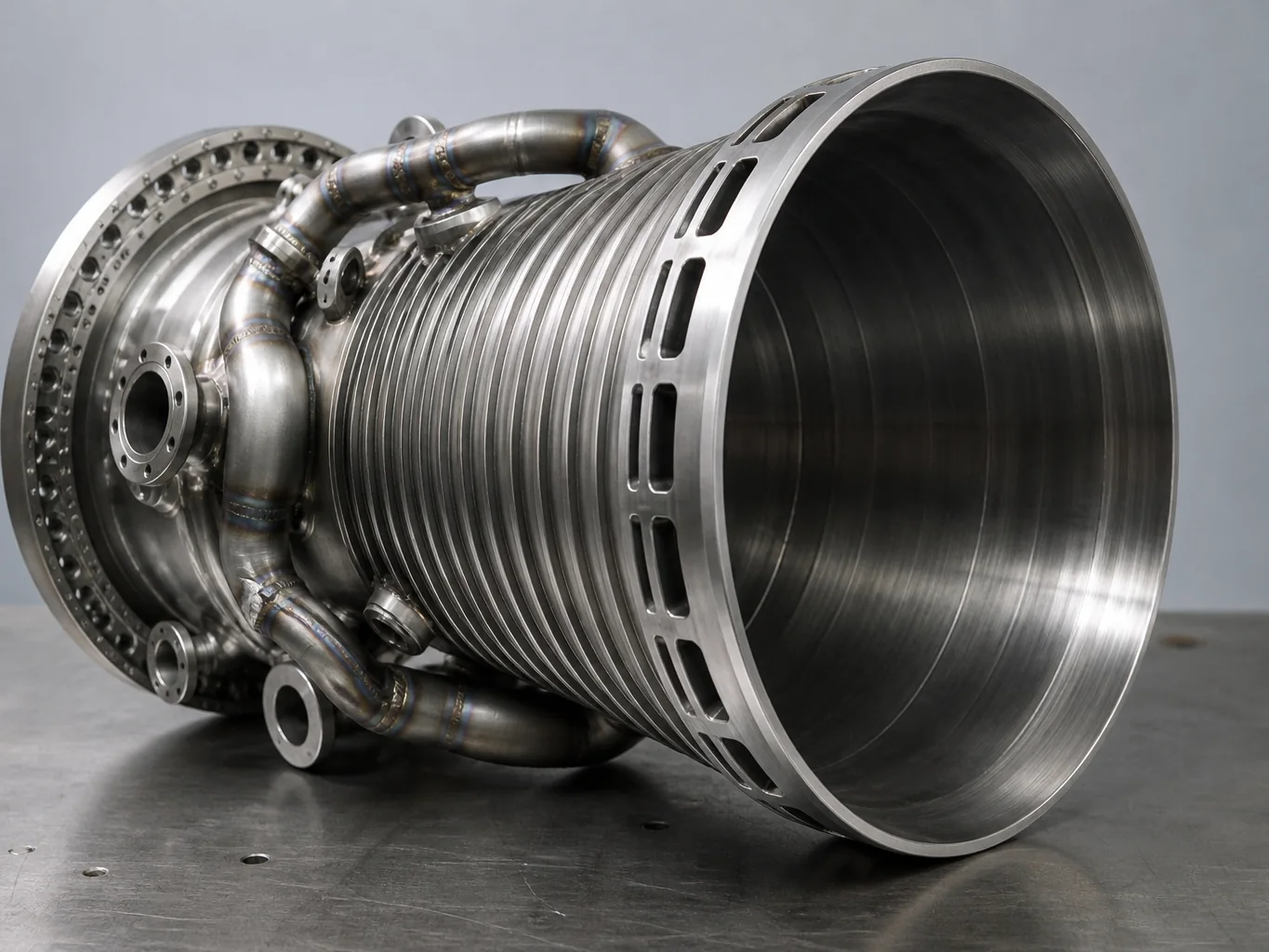
A regeneratively cooled thrust chamber with visible cooling channels, standing on a steel bench beside its copper injector plate Injector plate Nozzle ring · Inconel 718 Hot-fire · 4.2 s
41Engines flown
18 moConcept to hot-fire
2,140 sCumulative burn time
0In-flight anomalies

01 — The name

Demand for resilient propulsion is rising as programmes move faster, fly farther and ask for hardware with no margin for doubt.

Blue Hangar exists to move ambitious aircraft and spacecraft concepts into dependable, flight-ready power. We keep design, manufacturing and test under one roof so nothing is lost between the drawing and the burn.

Inside the hangar ↓
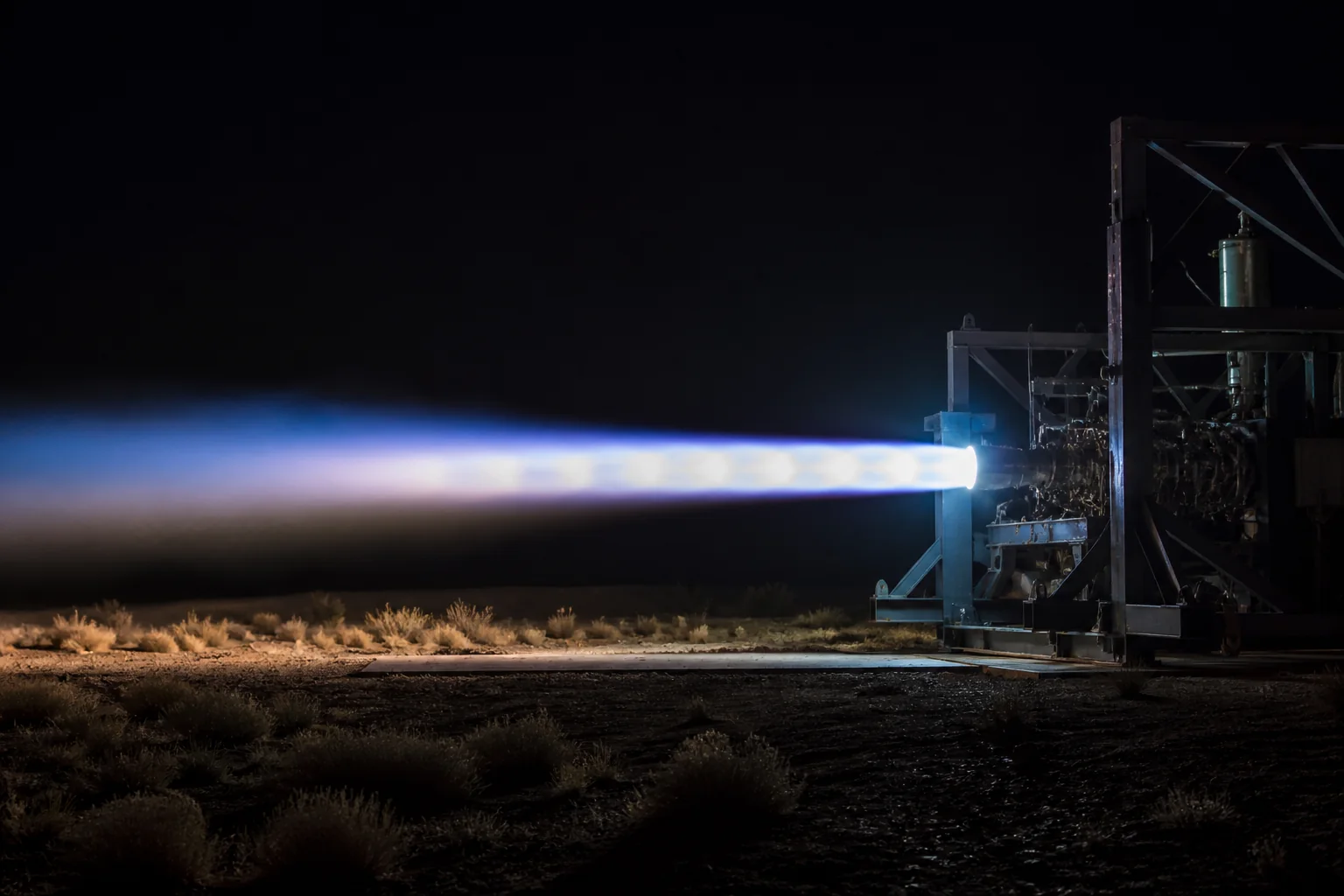
A Blue Hangar engine firing horizontally on the outdoor test stand at night, blue-white plume across the desert
Test cell 02 · 06:14 Hot-fire, 4.2 seconds · 12.4 kN

02 — Capabilities

Programmes need a partner that can reach certified hardware.

Precision manufacturing, hot-fire validation, materials engineering and mission support — one team from the first sketch to the flight article.

Programme background

Three vehicles, one bench.

Every article we ship is qualified on the same instrumented stand, so a result from 2024 is still comparable to a result from this morning.

2027
Reusable upper-stage demonstratorThermal qualification
2026
Hybrid-electric aircraft platformCombustor redesign
2025
Orbital transfer vehicleFlight article delivery
2024
Suborbital test bedFirst hot-fire campaign
They brought the discipline we needed: clear design reviews, repeatable test data, and hardware that arrived ready for integration.
Programme lead · orbital transfer vehicle

What we build

Engines, valves, and the plumbing between them.

Thrust chambers from 200 N to 14 kN, regenerative cooling, additive injectors, and the feed system that keeps them honest.

See the process →

Start a programme

Two build slots open for Q3 2027.

A one-page brief is enough to begin. We answer engineering questions in five working days.

Send a brief ↗

03 — Hardware

What leaves the bench, in three parts.

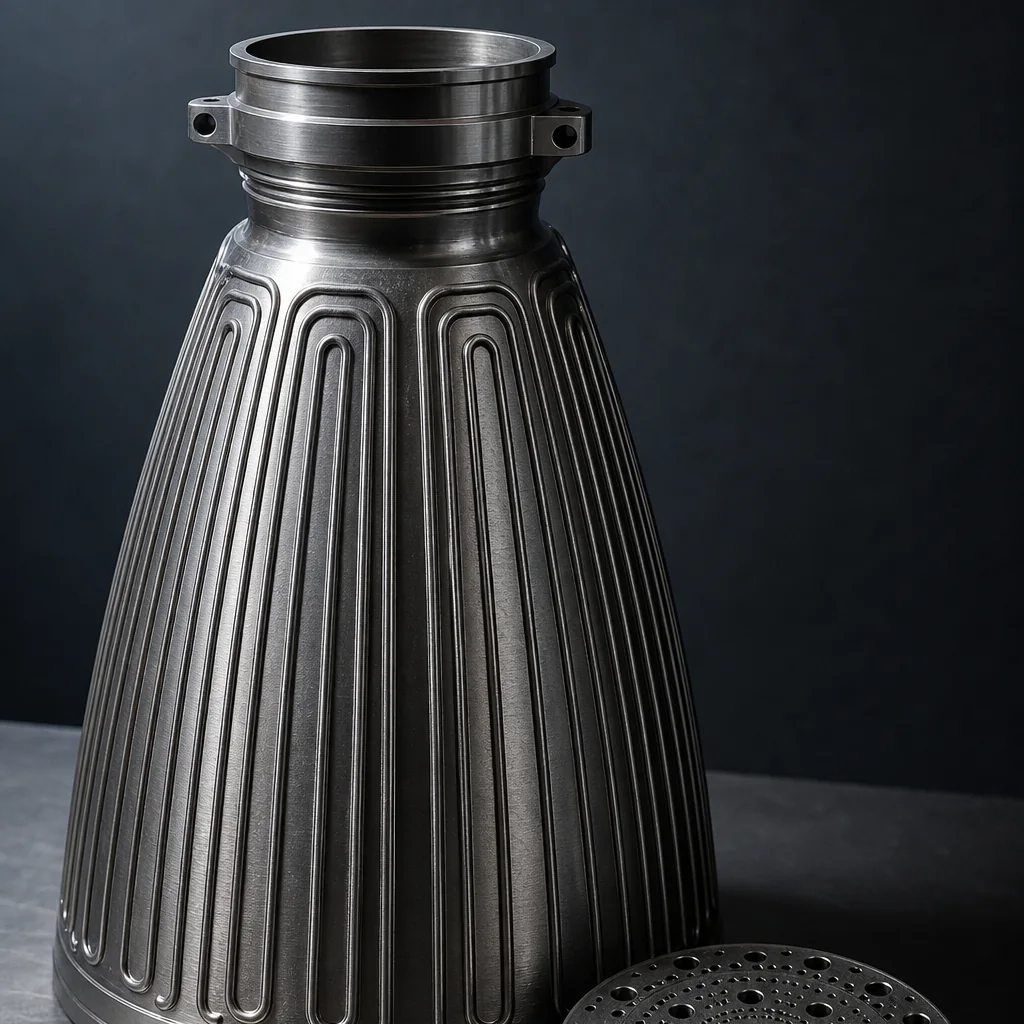
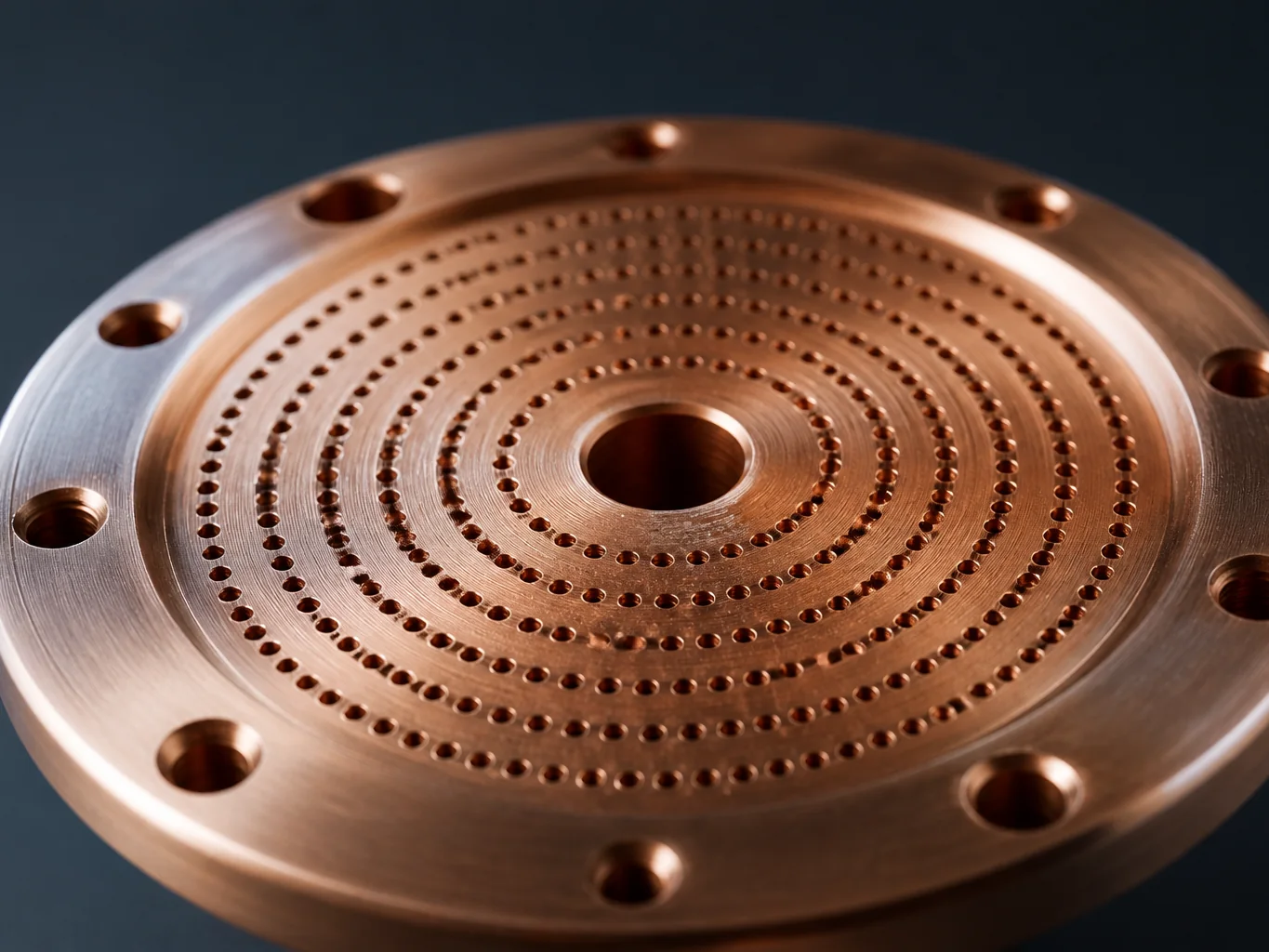
A copper alloy injector plate with concentric rings of drilled orifices, freshly machined
Injector · CuCrZrØ 118 mm · 468 orifices
A machined superalloy thrust chamber with cooling channels and a welded manifold
Chamber · Inconel 71814 kN · regen-cooled
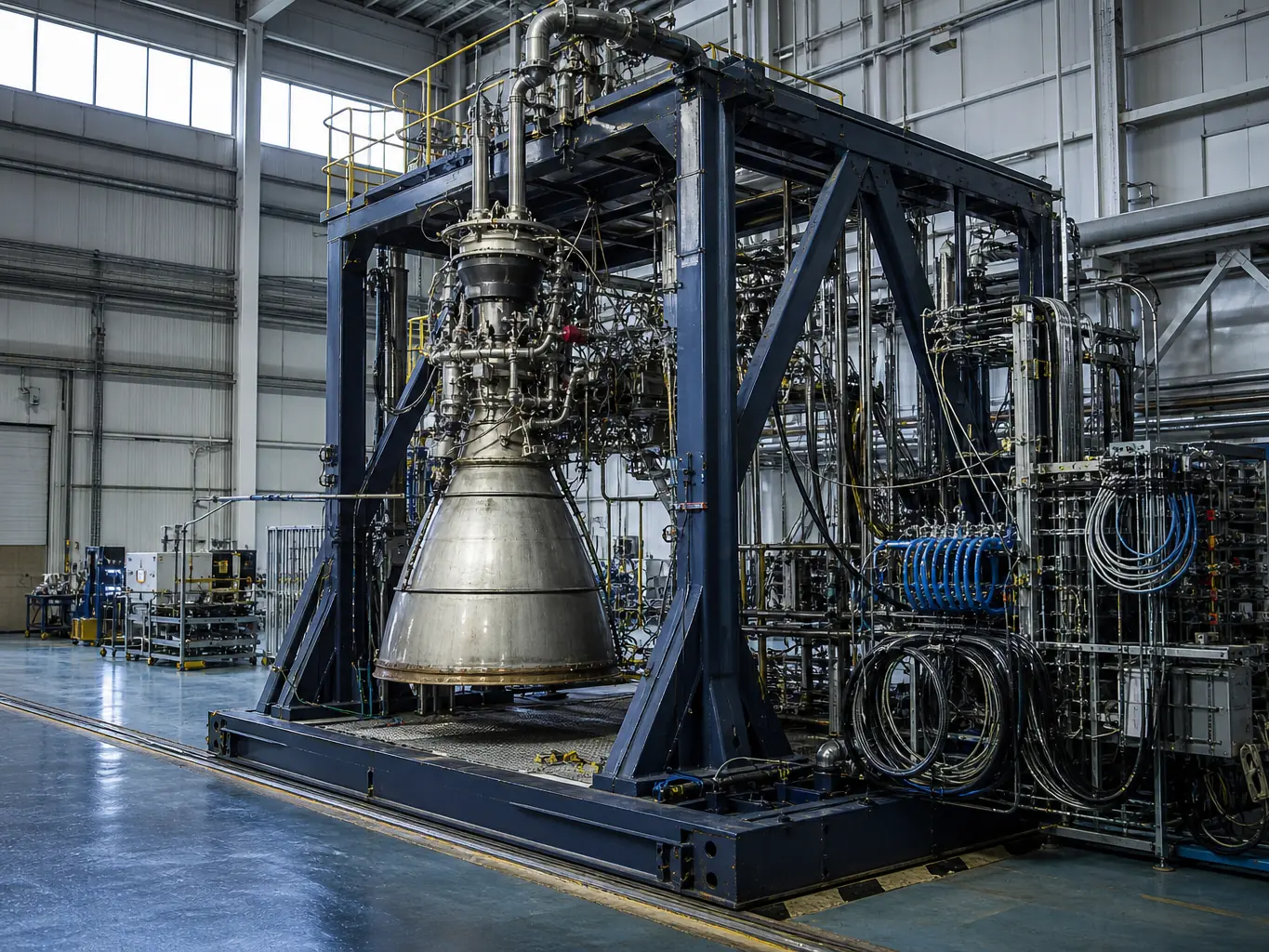
An instrumented test stand inside the hangar with pressure lines and sensor harnesses coiled
Stand 02 · Building CSame sensors since 2024

04 — On record

The numbers behind the hardware.

4.2 sMedian hot-fire duration in qualification
97.4%Articles passing first-article inspection
11Engineers on the floor, no layers between
2026Hangar opened, 3,200 m² with two cells

05 — Process

From a one-page brief to a certified article.

01

Requirement capture

One week with your programme team: duty cycle, envelope, interfaces, and the constraints that are not written down. We return a frozen requirement set and a thrust budget.

02

Design review

Three gates — concept, detailed design, and pre-manufacture. Each gate ends with a signed drawing and a list of open risks, not a presentation.

03

Build and instrument

Machining, additive injectors and assembly happen in the same building. Every article carries the same sensor set, so test data stays comparable across years.

04

Hot-fire and handover

Qualification on cell 02, a data pack you can audit, and a flight article delivered with its full test history attached.

Next step

Bring us the
hard problem.

Send a paragraph on what the vehicle has to do. We will tell you honestly whether we can build it.

eng@bluehangar.example ↗