01 — The river
It was found where the river slows.
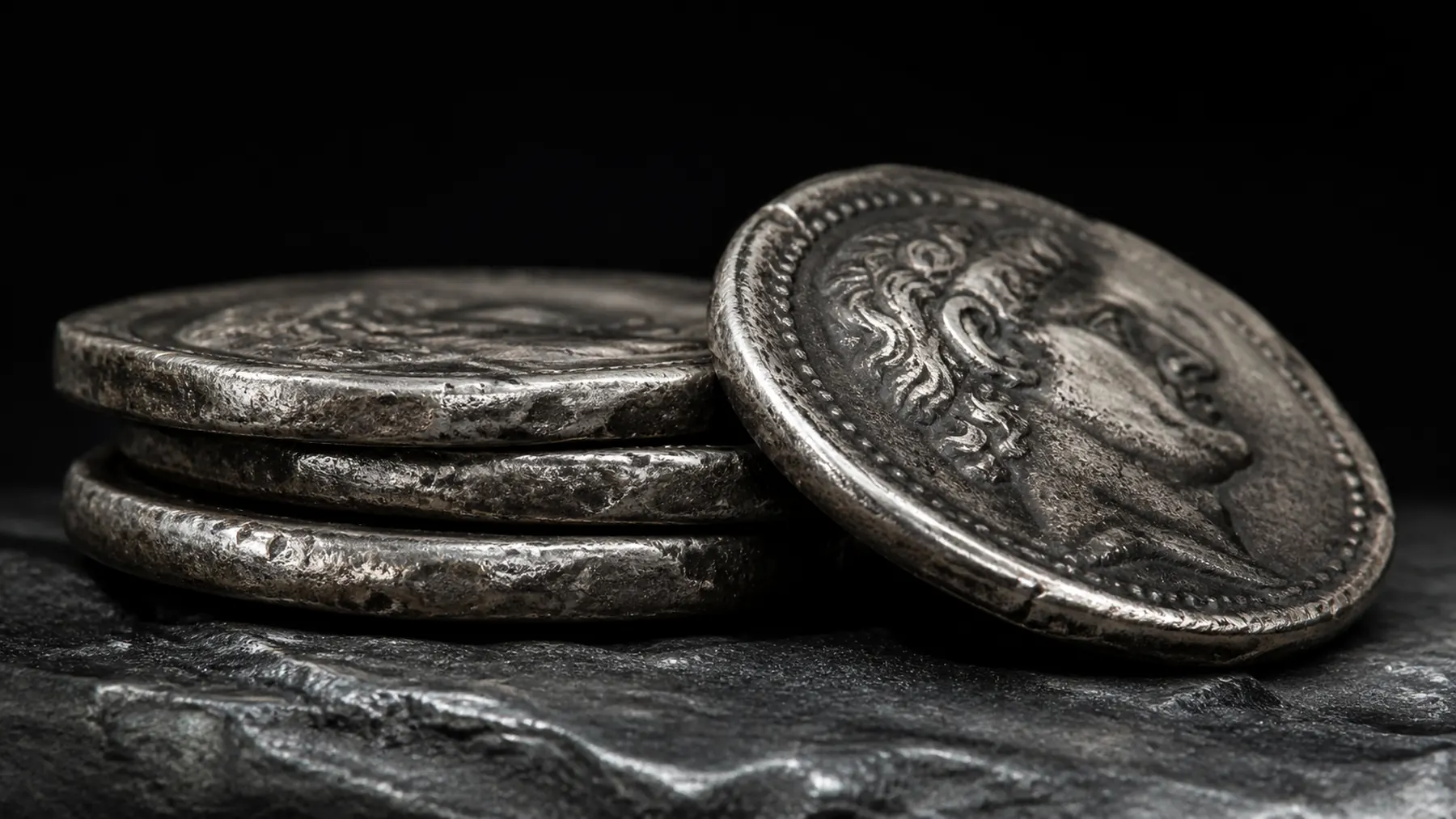
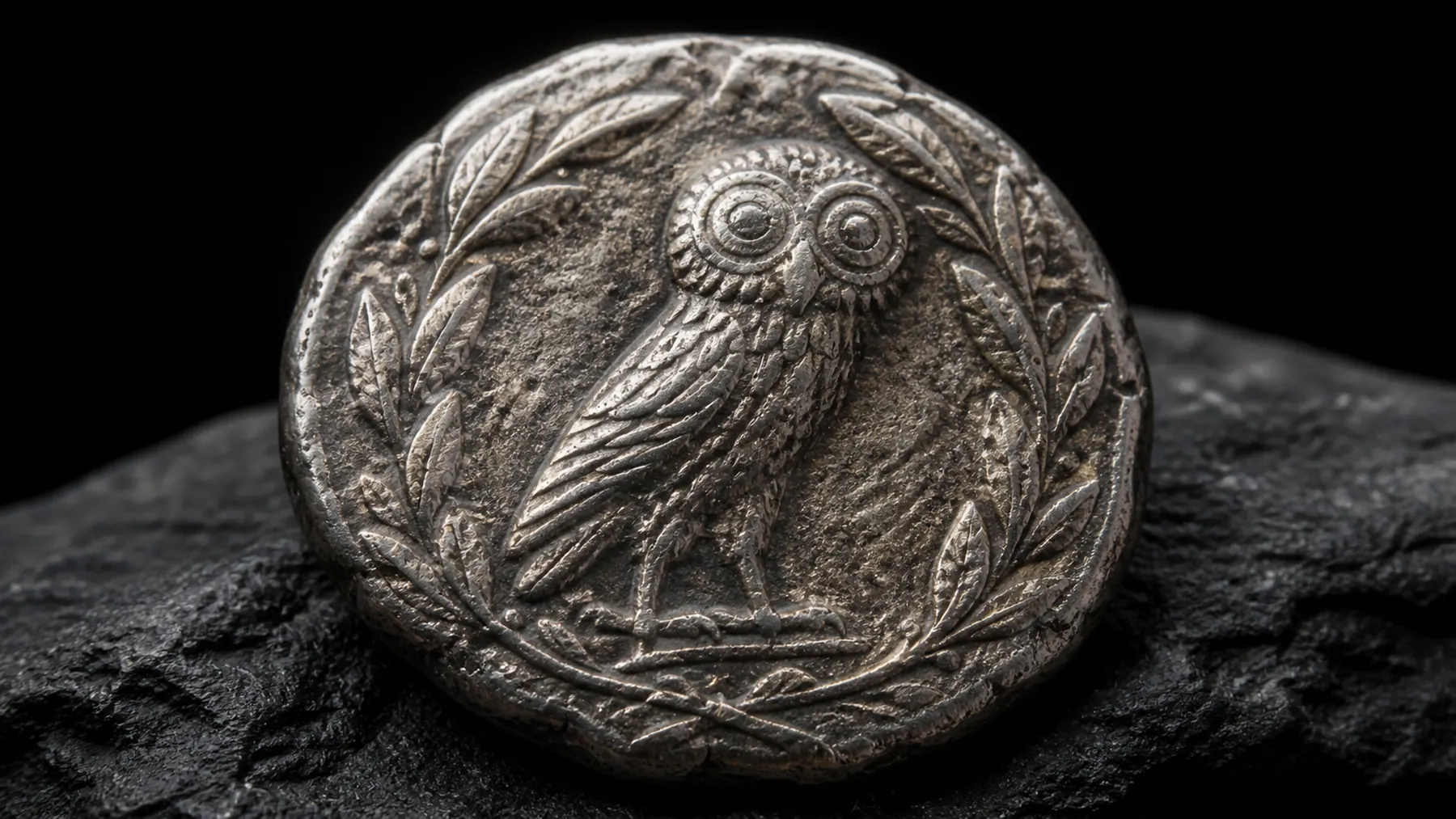
The hoard came up in four pieces, thirty centimetres under gravel, at a bend where the current has been dropping silver for two thousand years. The owl was the only one with its full wreath intact.
It was cleaned for eleven weeks, photographed at forty times magnification and returned to the ground it came from. What we kept was the scan.
02 — The die
Cut from the face, not from a drawing.
A die-sinker in Segovia worked from the scan for nine months, by hand, in tool steel. Where the original had worn, he stopped; the restrike carries the damage of a coin that was used for two centuries.
One die, one press, no retouching after the first strike.
03 — The return
Four hundred and eighty, then the die goes.
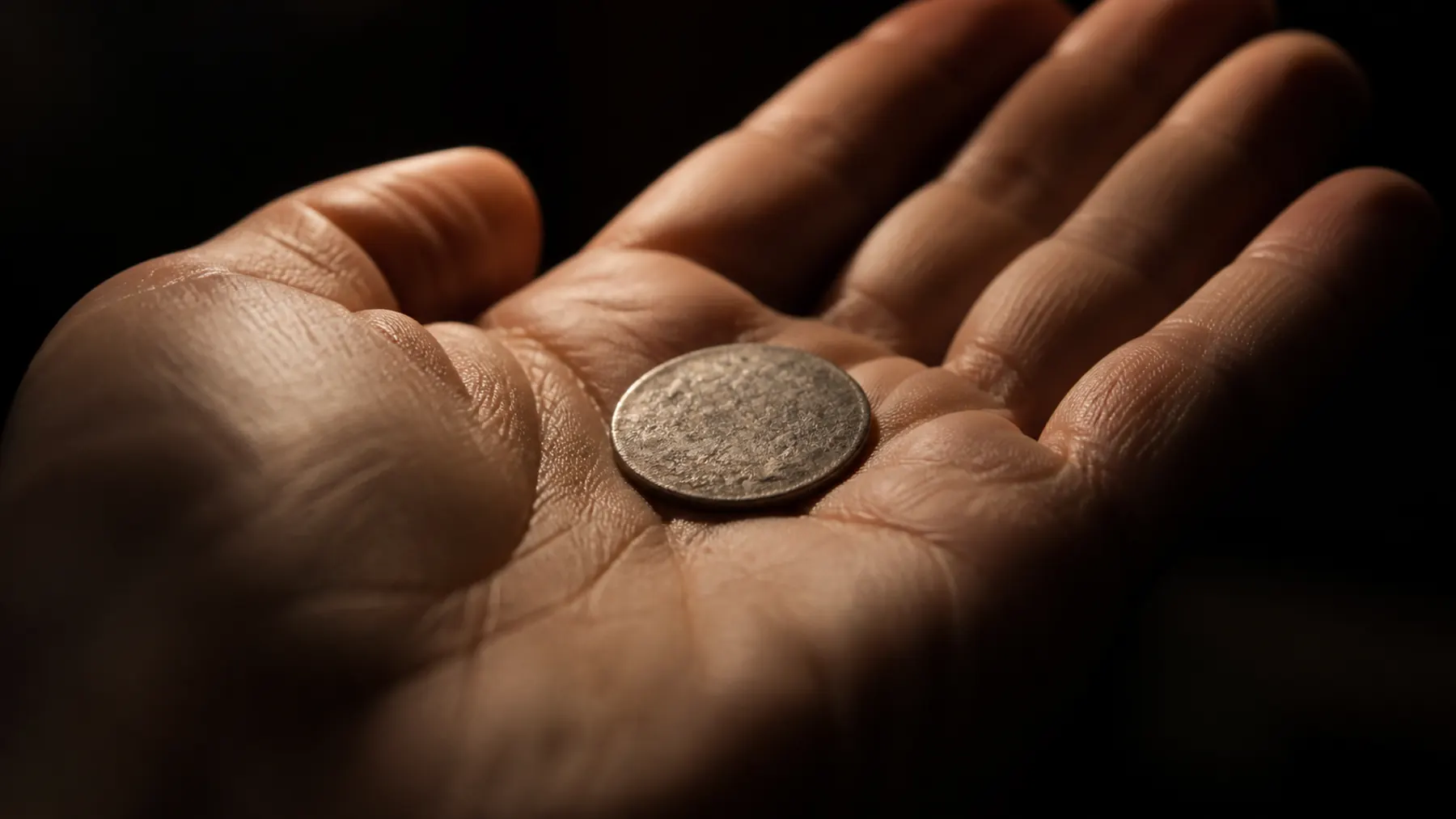
Struck in .925 silver at the original weight of 17.2 grams, with the same irregular edge. When the four hundred and eightieth piece leaves the press, the die is cut in three and the pieces are sent to the four buyers of the first strikes.
No second run. No proof set. No colourway.
“A coin is the only object that has to be both a picture and a promise. We only had to keep the promise.”Ines Vidal — die-sinker